BREAKING NEWS
As of September 1, 2026: The Pacific Ocean faces an intensifying marine heatwave concurrent with a strengthening El Niño pattern, triggering unprecedented ecological challenges across the West Coast and threatening rare hurricane formation near Southern California this week.
Pacific Marine Heatwave and El Niño: September 2026 Overview
The convergence of a significant Pacific marine heatwave and strengthening El Niño conditions continues to reshape weather patterns and marine ecosystems across the North American West Coast as we enter early September 2026. Recent developments from August 30 through September 1 indicate that California coastal water temperatures are experiencing abnormal warming, while El Niño conditions are projected to intensify throughout the coming months.
Scientists and meteorologists are closely monitoring the interaction between these two climatic phenomena, as their combined effects present serious implications for marine species, fishing industries, rainfall patterns, and coastal infrastructure across the Pacific Northwest, California, and beyond. The phenomenon represents a critical intersection of oceanographic science and climate dynamics that demands immediate public attention and preparedness.
El Niño Strengthens Across Pacific Waters
According to the latest oceanographic assessments published on August 27, 2026, El Niño conditions are strengthening, though precipitation and snowfall impacts for the Pacific Northwest remain uncertain. This is a critical observation because El Niño typically brings warmer, drier conditions to parts of North America while triggering broader global climate disruptions. The strengthening pattern suggests that ocean temperatures in the equatorial Pacific continue to deviate significantly from historical norms.
Research from the Scripps Institution of Oceanography, published August 19, 2026, details precisely how El Niño impacts ocean ecosystems. The phenomenon disrupts nutrient cycles, alters fish migration patterns, affects breeding seasons for marine mammals, and can trigger cascading effects throughout food webs. The institution emphasizes that modern El Niño events are increasingly affected by anthropogenic climate change, making their intensity and duration less predictable than historical patterns.
California Coastal Waters Reach Critical Temperatures
As reported on August 30, 2026, marine heatwave conditions are actively impacting California coastal water temperatures, with readings significantly above normal for this time of year. Coastal monitoring stations from San Diego to Northern California have recorded persistent temperature anomalies that threaten kelp forest ecosystems, disrupt fish spawning grounds, and force marine species to relocate northward in search of cooler waters.
Commercial fishing operations report declining catches of key species including Pacific sardines and certain rockfish populations, directly impacting the livelihoods of thousands of fishing families along the California coast. Marine aquaculture facilities are implementing emergency protocols to maintain water quality and prevent mass mortality events among farmed species.
In-Depth Analysis: Seven Major Ways El Niño and Marine Heatwave Affect West Coast Marine Species
Research compiled in June 2026 identified seven critical mechanisms through which El Niño and large-scale marine heatwaves affect West Coast marine species:
- Nutrient Depletion: Warmer water columns reduce nutrient mixing from deeper ocean layers, diminishing phytoplankton productivity and collapsing the base of marine food webs.
- Migration Disruption: Fish and marine mammals respond to thermal cues for migration timing; warmer conditions trigger premature movements, creating mismatches with food availability.
- Metabolic Stress: Cold-water species face physiological strain in elevated temperatures, requiring increased energy expenditure for survival.
- Spawning Failure: Reproductive cycles of salmon, herring, and other commercial species are disrupted by temperature anomalies during critical breeding windows.
- Harmful Algal Blooms: Warmer, stagnant water promotes toxic algal proliferation, poisoning shellfish and marine mammals through bioaccumulation.
- Oxygen Depletion (Hypoxia): Stratified water columns in warmer conditions reduce oxygen circulation, creating dead zones unsuitable for most marine life.
- Ecosystem Regime Shifts: Sustained temperature changes can trigger irreversible shifts in ecosystem structure and species composition, altering the region for years.
Galápagos Coral Reveals Increasing El Niño Extremity
A groundbreaking study published August 28, 2026, based on Galápagos coral analysis, demonstrates that contemporary El Niño events are more extreme than any recorded in the past 1,000 years. Researchers extracted and analyzed coral skeletal records spanning a millennium, revealing that modern El Niño episodes feature greater temperature spikes, longer duration, and more severe precipitation anomalies than historical analogs. This paleoclimatic evidence strongly implicates anthropogenic climate change as a factor amplifying El Niño intensity.
The implications for Pacific coral reef ecosystems are dire, with bleaching events becoming more frequent and recovery windows shrinking. Even shallow reefs in the Galápagos, historically resistant to thermal stress, face unprecedented mortality rates during modern El Niño cycles.
Potential Hurricane Formation Near Southern California
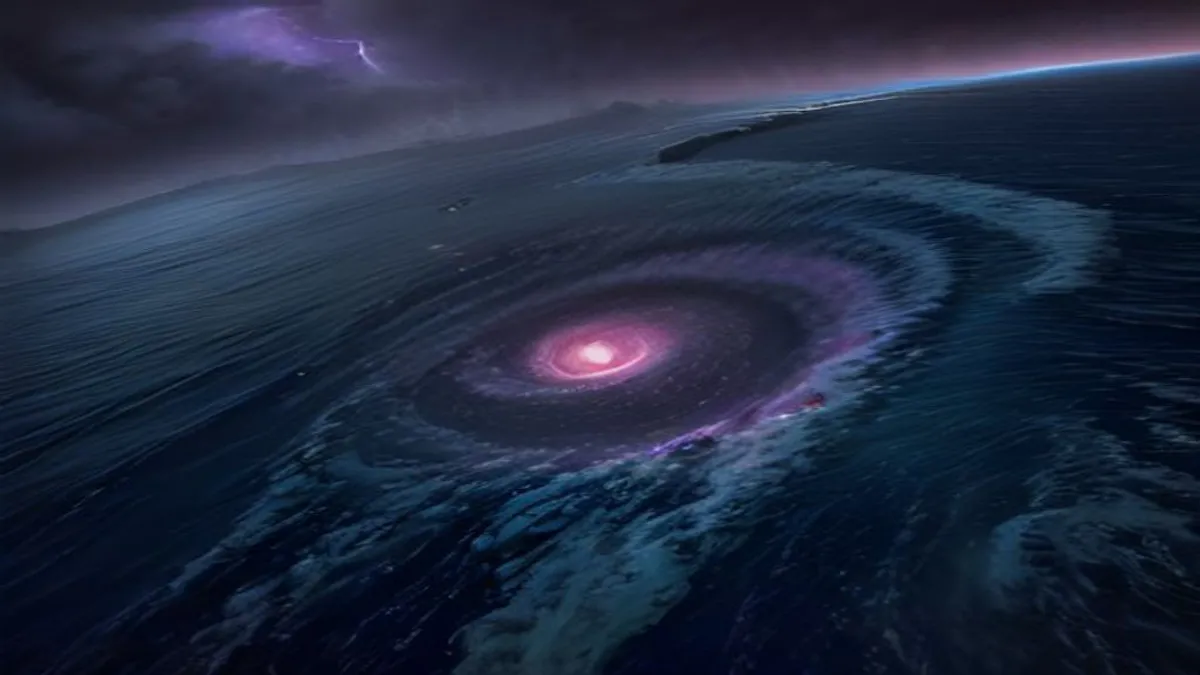
In a striking development reported August 31, 2026, meteorological agencies warn that a hurricane could form near Southern California this week—a rare and serious possibility. While tropical cyclone activity near the continental United States is uncommon, the combined effects of elevated ocean temperatures from the marine heatwave and El Niño-driven atmospheric patterns have created conditions favorable for organized tropical storm development. Such an event would represent an extraordinary weather phenomenon for the region and pose significant hazards to coastal communities unprepared for tropical cyclone impacts.
| Event/Metric | Status (September 2026) | Impact Level |
|---|---|---|
| El Niño Strengthening | Active & Intensifying (Aug 27) | SEVERE |
| California Coastal Heatwave | Ongoing Temperature Anomaly (Aug 30) | HIGH |
| Pacific Northwest Precipitation | Uncertain (Aug 27) | MODERATE |
| Southern California Hurricane Risk | Possible Formation (Aug 31 – Sept 1) | EXTREME |
| Marine Ecosystem Stress | Widespread Species Impact | SEVERE |
Public Reaction, Social Media, and Community Impact
Communities along the Pacific coast are expressing increasing concern and anxiety as the dual threat of strengthening El Niño and persistent marine heatwaves becomes impossible to ignore. Commercial fishing communities report existential anxiety about catch declines, while coastal tourism businesses worry about potential hurricane impacts and ecosystem degradation affecting marine wildlife viewing opportunities.
Social media platforms overflow with discussions from concerned citizens, marine scientists, and environmental advocates sharing satellite imagery, temperature data, and eyewitness accounts of unusual marine species sightings and die-offs. Environmental organizations are issuing urgent calls for climate action and adaptation planning, while emergency management agencies are updating preparedness protocols in anticipation of potential hurricane impacts.
Indigenous communities with deep historical ties to Pacific waters are drawing parallels to oral histories of extreme environmental events, emphasizing the importance of traditional ecological knowledge in understanding and adapting to rapid ocean changes. Universities and research institutions across California, Oregon, and Washington are mobilizing emergency research initiatives to document ecosystem changes and provide real-time guidance to policymakers.
Broader Climate Context and Extreme Weather Events
The convergence of El Niño and marine heatwave conditions is occurring within a broader context of climate disruption evidenced by recent extreme weather events. For instance, deadly flash flooding in the Grand Canyon area on September 1, 2026, demonstrates how climate-altered precipitation patterns are producing unexpected and hazardous conditions in regions unprepared for such events. These interconnected climate phenomena underscore the reality that weather systems, ocean conditions, and atmospheric patterns operate as an integrated planetary system where disruptions in one component cascade through others.
Future Outlook and Conclusion
Looking ahead, oceanographic models project that El Niño conditions will likely persist through late 2026 and into early 2027, extending the duration of warming impacts on Pacific marine ecosystems. The marine heatwave may gradually subside as normal seasonal cooling patterns emerge in autumn and winter, but the underlying thermal conditions may prevent complete recovery, creating a prolonged period of ecological stress for sensitive species and ecosystems.
The possibility of tropical cyclone formation near Southern California this week remains unprecedented in recent historical records and serves as a stark reminder of how rapidly changing ocean conditions can create meteorological scenarios previously considered improbable. Coastal communities, emergency managers, and environmental agencies must maintain heightened vigilance and implement adaptive management strategies to address both immediate hazards and longer-term ecosystem changes.
The scientific consensus is unequivocal: Pacific marine heatwaves and intensifying El Niño patterns represent a new normal for West Coast ecosystems and communities. Adaptation measures including sustainable fisheries management, marine protected area expansion, and comprehensive climate action at regional and global scales are not optional but essential investments in the region's ecological and economic future.
LIVE UPDATE - September 1, 2026:The National Weather Service, NOAA, and oceanographic institutions continue monitoring rapidly evolving conditions. Citizens and mariners in Southern California should review emergency preparedness materials and monitor official weather alerts throughout the week. Marine ecosystem monitoring buoys are transmitting real-time temperature and ocean chemistry data to support ongoing scientific assessment.