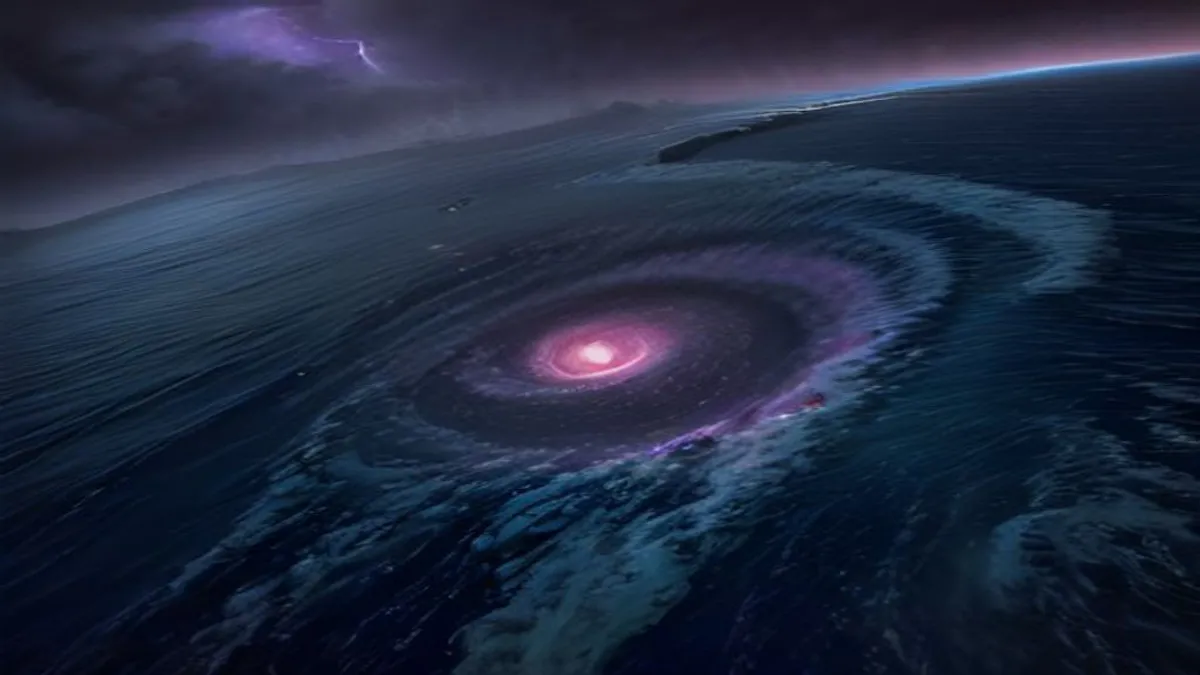
Executive Summary: Hurricane Karina has rapidly intensified into a dangerous Category 4 hurricane in the Eastern North Pacific as of August 31, 2026. Meteorologists are tracking multiple tropical systems including the developing Tropical Storm Lowell. California residents face potential hurricane impact this weekend, prompting emergency preparedness alerts across the West Coast.
Hurricane Alert • Pacific Storm • Weather
Hurricane Karina Rapidly Becomes Major Category 4 Hurricane
As of August 31, 2026, Hurricane Karina has undergone rapid intensification and now stands as a dangerous Category 4 hurricane in the Eastern North Pacific Ocean. The storm's explosive development over the past 48 hours has captured the attention of meteorologists and emergency management officials across the United States, particularly along the California coast where weekend impacts are being closely monitored.
The National Hurricane Center's latest advisories indicate that Karina developed from a tropical depression into a major hurricane with sustained winds now approaching 130+ mph, making it one of the most significant Pacific hurricanes of the 2026 Atlantic and Eastern Pacific hurricane season. This rapid strengthening pattern suggests the storm benefited from exceptionally warm ocean water temperatures and favorable upper-atmospheric conditions across the Eastern North Pacific basin.
In-Depth Analysis: Storm Track & California Threat Assessment
Current Storm Trajectory & Forecast Models
Multiple forecast models, commonly referred to as "spaghetti models" by meteorologists, show varying potential tracks for Hurricane Karina as it approaches the West Coast. The consensus model guidance suggests the hurricane could make a significant turn toward the California coastline by late weekend (September 1-2, 2026), though exact landfall location and intensity at impact remain subject to model uncertainty.
The possibility of a direct California hurricane strike—an event that occurs roughly once every 20+ years on average—has prompted state emergency management officials to activate disaster response protocols and issue evacuation advisories for vulnerable coastal and inland communities. Hurricane-force winds, dangerous storm surge, and catastrophic rainfall flooding represent the primary hazards associated with Karina's potential landfall.
Concurrent Tropical Storm Lowell Activity
Complicating the overall atmospheric picture is the existence of Tropical Storm Lowell, which forecasters expect to strengthen into a hurricane by Wednesday, September 4, 2026. Lowell's development, though further south in the Eastern Pacific, demonstrates the highly active nature of the 2026 hurricane season and the potential for multiple significant storms affecting coastal regions simultaneously or in close succession.
| Storm System | Status (As of Aug 31) | Max Sustained Winds | Threat Level |
|---|---|---|---|
| Hurricane Karina | Category 4 Major Hurricane | 130+ mph | Extreme |
| Tropical Storm Lowell | Tropical Storm (Strengthening) | 45-50 mph | Moderate-High |
| Expected Hurricane Lowell | Forecast: Hurricane by Sept 4 | 75+ mph (projected) | Moderate |
Public Reaction & Community Impact Concerns
Social Media Buzz & Preparedness Discussions
Across social media platforms, residents of California, Arizona, Nevada, and neighboring states are actively discussing Hurricane Karina's potential impact. Trending hashtags and emergency preparedness resources are circulating widely as people express both concern and curiosity about whether the state will experience its first significant hurricane landfall in decades. Hardware stores, gas stations, and grocery retailers report increased foot traffic as residents stock up on supplies including water, batteries, generators, and emergency medication.
Government & Emergency Management Response
- Governor activates State Emergency Operations Center; establishes 24/7 monitoring protocols
- Coastal county officials issue voluntary evacuation orders for low-lying communities and flood-prone areas
- National Guard units mobilized to support disaster response; additional medical personnel dispatched to coastal hospitals
- Power utility companies pre-position repair crews and equipment in anticipation of potential widespread outages
- Emergency shelters activated across multiple counties; pet-friendly facilities opened in response to community requests
Future Outlook & Storm Season Context
2026 Atlantic Basin Hurricane Season: Active & Dynamic
The 2026 Atlantic and Eastern Pacific hurricane season has proven exceptionally active, with meteorologists citing warmer-than-average sea surface temperatures, favorable atmospheric wind shear patterns, and ample tropical moisture as contributing factors. The simultaneous existence of both Hurricane Karina and developing Tropical Storm Lowell underscores the heightened activity level expected through the remainder of the season extending into November.
Preparedness & Moving Forward
Regardless of whether Hurricane Karina makes landfall in California or tracks away from the mainland, the event serves as a critical reminder of the importance of hurricane preparedness and response planning. Residents are encouraged to finalize evacuation plans, ensure insurance coverage is adequate and current, and maintain updated emergency supply kits. Meteorological monitoring capabilities continue to improve, allowing forecasters to provide increasingly accurate track and intensity guidance that can save lives and property.
The National Hurricane Center will continue issuing updates on Hurricane Karina and Tropical Storm Lowell every three hours through the weekend and beyond. Community members are urged to monitor official emergency management channels, establish communication plans with family members, and follow all local official directives regarding evacuation or shelter-in-place protocols as the storm situation develops.
Live Update Alert:Latest National Hurricane Center advisories are issued every 3 hours. For real-time information on Hurricane Karina's track, intensity, and expected impacts to your specific area, visit official meteorological agencies and local emergency management authority websites. This article was updated as of September 1, 2026, 00:00 UTC based on the most current available information.